Selling silver coins to private individuals: A guide

Summary
-
Silver coins are divided into circulation coins (historical money) and investment coins (bullion).
-
The selling price is based on the current spot price of silver, with the condition and packaging (tubes/master boxes) also playing a role.
-
High dealer mark-ups and VAT make direct private sales (P2P) more financially attractive for both sides.
-
PreMeSec offers a secure framework for trading through identity verification and legally compliant documentation.
What are silver coins?
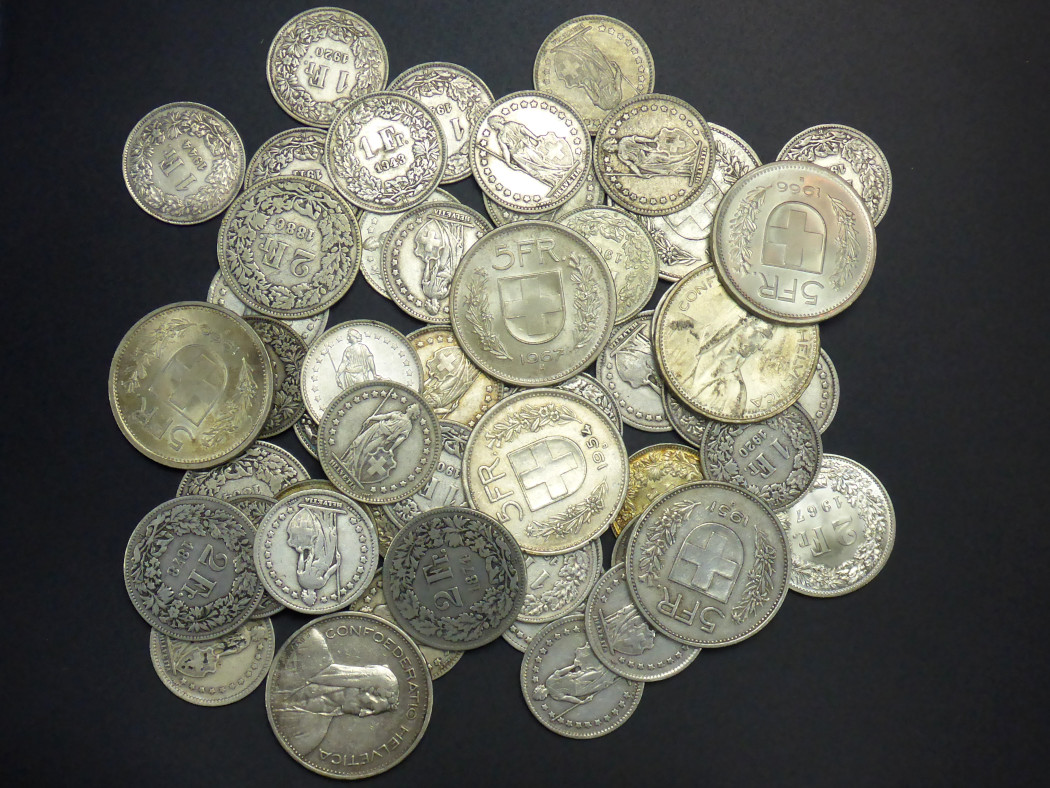
Silver coins are coins made of silver, whereby a distinction must be made between circulation coins and investment coins. Until the middle of the 20th century, many legal tender coins were made of precious metals. The silver they contained guaranteed the value of the coins. A well-known example is Swiss silver coins.
In Switzerland, the era of silver coins in payment transactions finally came to an end in 1969. Today, coins in circulation are no longer made of precious metal. Instead, so-called bullion coins are produced for savers and investors. Most mints that produce gold coins also offer a silver version. Well-known examples are:
Investment coins never circulated in monetary transactions and are therefore usually in much better condition. As they are often stored in almost airtight packaging, they are less likely to tarnish. While historical circulation coins were usually alloyed with other metals for hardening, investment coins require the highest possible purity (usually .999). Modern investment coins today almost uniformly weigh one ounce (31.1034 grams).
Silver coins have a significantly lower value per coin than gold coins. They are therefore not only suitable as an investment, but also as an emergency reserve for situations where small-denomination exchange goods are needed. In a crisis, valuable gold coins can hardly be used to pay for everyday goods; silver coins fill this gap.
However, the lower value of the coins increases the production costs per ounce in relative terms. Due to these production costs and VAT, the premiums (agio) on silver coins are higher in percentage terms than on gold coins. These high premiums, which an investor often loses when selling to a dealer, are a clear argument in favour of selling directly from private individual to private individual. In this way, a larger portion of the premium remains with the seller, while the buyer still pays less than in a shop.
Important note: Disclaimer and riskThis blog post is intended solely for informational purposes and the critical assessment of facts. We would like to help you form your own opinion and better understand the financial markets. This text does not constitute investment advice!
|
Valuation of silver coins
The precious metal price is the most important anchor for the price. It is important to note that the silver content of old coins often exceeds their face value many times over today.
Old circulation coins are generally closer to the pure silver value than modern investment coins. This is due to the standardised purity and better condition of bullion.
Sell silver coins on PreMeSec.ch!
The degree of preservation has no influence on the metal value, but it does influence the resale price between private individuals. Coins that are not tarnished or do not have so-called ‘milk spots’ (white cloudiness on the surface) often fetch higher prices. Packaging in original tubes (tubes of 20 or 25 pieces) or master boxes is helpful for storage and authenticity verification, but has little influence on the price. Since buyers want to examine the goods closely, especially in private sales, seals are usually broken, which does not lead to a reduction in value for silver coins.
PreMeSec publishes the current metal value for silver coins on the respective product pages:
Value added tax on silver coins
If silver coins are sold through specialist retailers, they must charge value added tax, as silver is considered a raw material for tax purposes. The fact that modern investment coins have a face value and are legal tender in their country of origin does not change this. In contrast, investment gold coins are exempt from VAT in Switzerland, which makes them attractive to many investors. You can find more details on this in our guide to selling gold coins.
As silver coins are often purchased as a medium of exchange for physical possession, they are not usually stored in a bonded warehouse (ZFL), but are physically delivered. While many dealers offer bars in ZFLs, this is rather rare for coins. When buying privately on PreMeSec, there is no additional VAT, which makes trading more economically attractive for both parties.
Special case: numismatically valuable coins
PreMeSec is primarily aimed at savers and investors. Numismatic collector coins require considerable expertise, and prices are often subjective, depending on the degree of preservation for collectors. For such unique items, it is advisable to consult a specialist numismatist.
Where can you sell silver coins?
-
Dealers: Fast processing, but often high discounts below the spot price.
-
Banks: Only purchase of common coins (e.g. 1 ounce investment coins), often with high fees or only for their own customers. Silver coins that are no longer in circulation (such as the historic Swiss silver francs) cannot usually be sold at banks.
-
Private individuals (via PreMeSec): Direct trading at market price without high dealer margins.
Advantages of direct trading
Direct trading of silver coins on PreMeSec offers numerous advantages:
-
Better selling prices: Without intermediaries, sellers achieve higher revenues because no high dealer margins are deducted. Private sellers are also not subject to VAT.
-
Security: All users on PreMeSec are manually verified by means of a passport or identity card, which creates a secure trading environment.
-
Documentation: The platform provides prepared receipts to prove the legal sale and proceeds to authorities or banks.
-
Degressive fee structure: PreMeSec offers a fair fee model. The higher the selling price, the lower the percentage commission (up to 0.75%). . There are no fees for unsold items.